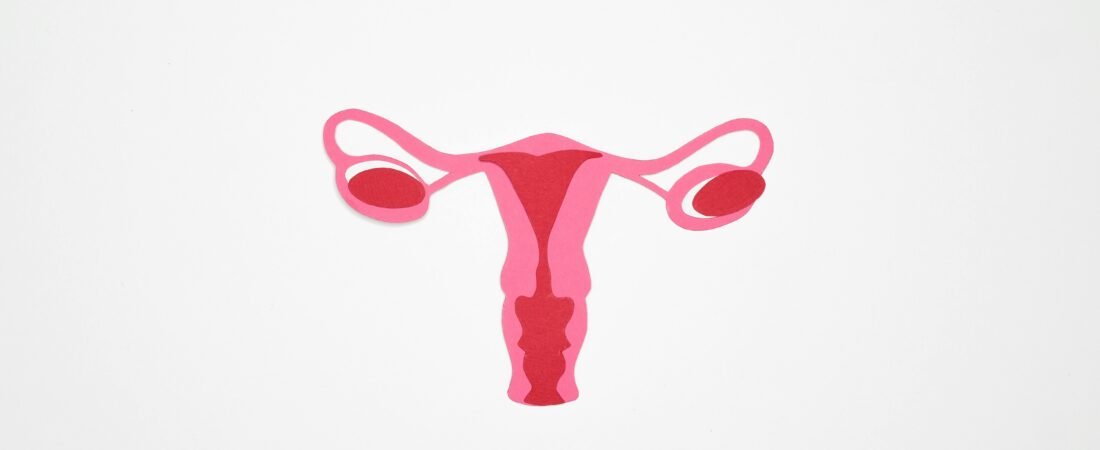
The menstrual cycle is a natural and essential part of the reproductive system for individuals with female anatomy. It involves a series of hormonal and physical changes that prepare the body for a possible pregnancy. Understanding how your cycle works can help you feel more informed, empowered, and connected to your body—rather than confused or overwhelmed by it.
What Is a Period?
A period, also known as menstruation, is the regular shedding of the uterine lining (endometrium) through the vagina. This typically occurs once a month and lasts anywhere from three to seven days. While experiences vary from person to person, menstruation is a key indicator of reproductive and hormonal health.
The Menstrual Cycle: The Four Phases
The menstrual cycle is divided into four main phases, each playing a unique role in preparing the body for pregnancy.
Menstrual Phase
- Duration: About 3–7 days
- What Happens: The uterine lining sheds, resulting in menstrual bleeding.
- Common Symptoms: Cramps, bloating, fatigue, headaches, mood changes
Follicular Phase
- Duration: From the first day of menstruation until ovulation (around day 14)
- What Happens: The pituitary gland releases follicle-stimulating hormone (FSH), prompting follicles in the ovaries to mature while the uterine lining begins to thicken.
- Common Symptoms: Increased energy, improved focus, lighter mood
Ovulation
- Duration: A brief event around the middle of the cycle
- What Happens: A surge in luteinizing hormone (LH) causes the release of a mature egg. This is the most fertile phase of the cycle.
- Common Symptoms: Mild pelvic discomfort, increased libido, changes in cervical mucus
Luteal Phase
- Duration: From ovulation to the start of the next period (about 14 days)
- What Happens: Progesterone rises to support a potential pregnancy. If fertilization doesn’t occur, hormone levels drop, triggering menstruation.
- Common Symptoms: PMS symptoms such as bloating, breast tenderness, irritability, and mood swings
Common Period Symptoms
While every cycle is different, many people experience similar symptoms, including:
- Cramping caused by uterine contractions
- Bloating from fluid retention
- Mood changes linked to hormonal shifts
- Breast tenderness
- Fatigue or low energy
- Headaches associated with estrogen fluctuations
Managing Period Symptoms
There are several ways to support your body during your period:
- Pain Relief: Over-the-counter medications like ibuprofen or acetaminophen
- Heat Therapy: Heating pads or warm compresses to ease cramps
- Hydration: Helps reduce bloating and fatigue
- Balanced Nutrition: Whole, nutrient-dense foods can support hormone balance
- Gentle Movement: Stretching or light walking may improve circulation and mood
How LUNAKIT Can Help
At LUNAKIT, we believe care starts with education and continues with comfort.
Free Educational Support
If you’re learning how your cycle works, our free Period Foods & Vitamins Guide offers simple, nourishing food suggestions and key nutrients to support your body throughout your menstrual cycle.
Personalized Comfort with LunaKits
For hands-on support, our Regular Period LunaKit and Pre-Menstrual LunaKit are thoughtfully curated with essentials designed to help manage common cycle symptoms. Both are available as one-time purchases or convenient subscriptions for ongoing care.
Conclusion
Your period is more than a monthly routine—it’s an important reflection of your overall health. Learning how your body works can help you recognize patterns, manage symptoms, and advocate for yourself with confidence. While education and comfort tools can be supportive, it’s always important to check in with your healthcare provider if something feels off or if you have concerns about your cycle.