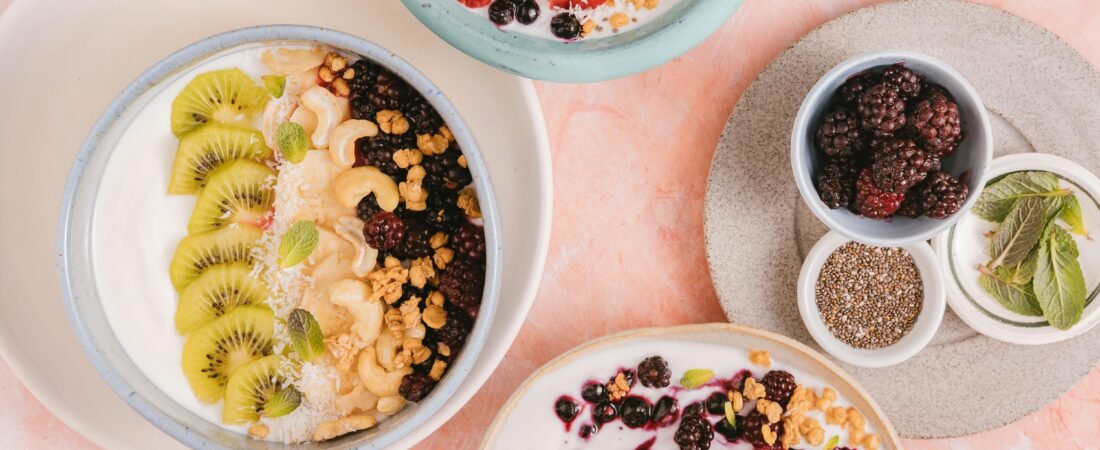
What you eat during your menstrual cycle can have a powerful impact on how you feel—physically, emotionally, and mentally. From managing cramps and fatigue to stabilizing mood swings and cravings, nourishing your body with the right foods can make each phase of your cycle feel more supported and balanced.
While every body is different, understanding how diet interacts with your hormones can help you work with your cycle instead of against it. This guide explores period-friendly foods, common cravings, nutrients your body needs most, and what to limit—so you can feel more in control and cared for throughout your cycle.
Why Nutrition Matters During Your Menstrual Cycle
Your menstrual cycle is made up of four phases—menstrual, follicular, ovulation, and luteal—each influenced by shifting hormone levels. These hormonal changes affect your:
- Energy and stamina
- Mood and emotional regulation
- Digestion and bloating
- Appetite and cravings
Supporting your body with nutrient-dense foods can help:
- Ease cramps and inflammation
- Stabilize blood sugar and energy levels
- Support hormone balance
- Reduce PMS symptoms like bloating, irritability, and fatigue
What to Eat During Each Phase of Your Cycle
Menstrual Phase (Days 1–5)
Your body is shedding the uterine lining, and energy levels may be lower.
- Iron-rich foods: Leafy greens, lentils, beans, tofu, and lean meats help replenish iron lost through bleeding
- Magnesium-rich foods: Dark chocolate, nuts, seeds, and spinach can help reduce cramps and tension
- Hydration: Water and warm herbal teas support digestion and ease bloating
Follicular Phase (Days 6–14)
Estrogen begins to rise, often bringing improved focus and energy.
- Lean protein & healthy fats: Eggs, salmon, avocado, nuts, and seeds support hormone production
- Fiber-rich foods: Vegetables, fruits, and whole grains support digestion and estrogen balance
Ovulation Phase (Around Day 14)
This phase often comes with a natural energy boost.
- Antioxidant-rich foods: Berries, citrus fruits, leafy greens help reduce inflammation
- Omega-3s: Salmon, walnuts, chia and flax seeds support hormone health and reduce swelling
Luteal Phase (Days 15–28)
This is when PMS symptoms and cravings often appear.
- Complex carbohydrates: Quinoa, brown rice, oats, and sweet potatoes help stabilize blood sugar
- Calcium & magnesium: Yogurt, bananas, leafy greens support mood and muscle relaxation
- Gentle support: Warm meals and grounding foods can help ease emotional sensitivity
Period Cravings
Cravings—especially for sweets, salty snacks, or carbs—are a normal response to hormonal shifts.
Why they happen:
- Estrogen and progesterone fluctuations affect appetite
- Serotonin (your “feel-good” hormone) often dips before your period
- Blood sugar becomes less stable, triggering quick-energy cravings
How to manage cravings mindfully:
- Choose complex carbs over refined sugars
- Pair snacks with protein and fiber for fullness
- Stay hydrated—thirst can mimic hunger
- Keep nourishing snacks on hand (nuts, yogurt, fruit, dark chocolate)
- Practice mindful eating—enjoy without guilt
Cravings don’t need to be “fixed”—they need to be supported.
Key Vitamins & Nutrients for Period Support
Certain nutrients are especially helpful during your cycle:
- Magnesium: Helps reduce cramps, headaches, and bloating
- Iron: Supports energy and replenishes what’s lost during bleeding
- B Vitamins: Aid mood regulation and energy metabolism
- Omega-3s: Reduce inflammation and menstrual pain
- Potassium: Helps relieve bloating and muscle tension
Whole foods are the best source, but supplements may be helpful under medical guidance.
Foods & Habits to Limit During Your Cycle
Some foods and habits can intensify symptoms for many people:
- Excess caffeine: May worsen anxiety, cramps, and sleep disruption
- Alcohol: Can increase bloating, fatigue, and mood swings
- High-sodium foods: Contribute to water retention and discomfort
- Refined sugars: Lead to blood sugar spikes and crashes
- Skipping meals: Can worsen fatigue, cravings, and hormonal imbalance
Gentle consistency is more supportive than restriction.
How LUNAKIT Can Help
At LUNAKIT, we believe menstrual wellness goes beyond products—it includes education, nourishment, and personalized care.
We offer:
- Free educational resources, including our General Period Foods & Vitamins Guide
- PCOS-friendly meal planning support through our downloadable PCOS Meal Plans
- Personalized comfort kits filled with nourishing snacks, soothing essentials, and cycle-support tools
Our goal is to make period care feel accessible, supportive, and tailored to your real-life needs—every phase, every cycle.
Conclusion: Always Check In With Your Healthcare Provider
While food and nutrition can play a powerful role in supporting your menstrual cycle, every body is unique. Always check in with your healthcare provider before making significant dietary changes, starting supplements, or if you experience ongoing or severe symptoms. Regular check-ins help ensure your approach supports your overall hormonal and menstrual health.
By nourishing your body with intention, listening to its signals, and seeking personalized care when needed, you can move through your cycle with greater confidence, balance, and support—with LUNAKIT right beside you.